
+918048051883

Currently it only shows your basic business info. Start adding relevant business details such as description, images and products or services to gain your customers attention by using Boost 360 android app / iOS App / web portal.

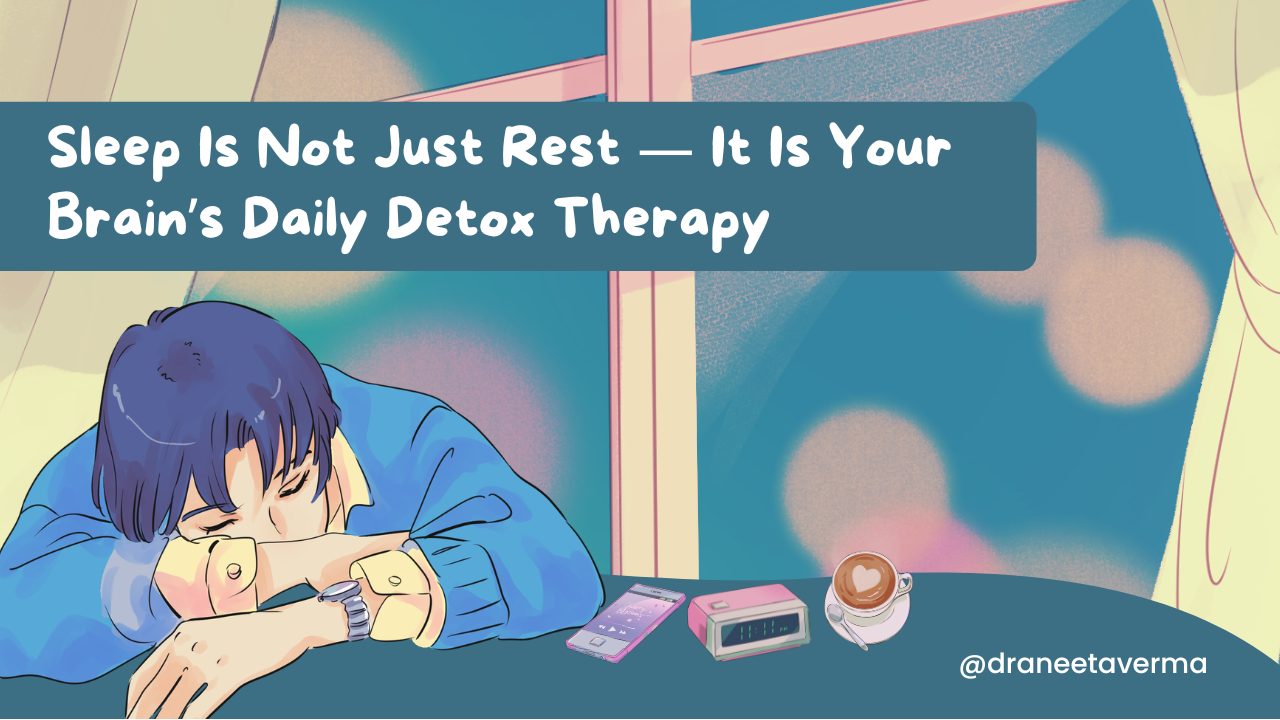
The Hidden Science of Sleep Most People Ignore Until Their Health Starts Suffering By Dr. Aneeta Verma Official Website Most people think sleep is simply about “resting the body.” But scientifically, sleep is one of the most powerful biological recovery systems the human body has. Every night while you sleep, your brain is actively: Repairing itself Detoxifying metabolic waste Resetting hormones Processing emotions Consolidating memory Regulating the nervous system Restoring energy balance Sleep is not laziness. Sleep is neurological maintenance. And in today’s world of stress, screens, overwork, anxiety, and burnout, sleep deprivation is silently becoming one of the biggest causes of physical, emotional, hormonal, and psychosomatic disorders. The tragedy is that most people realize the importance of sleep only after their body starts collapsing. Your Brain Cleans Itself While You Sleep One of the most fascinating discoveries in neuroscience is that the brain has its own “waste clearance system.” During deep sleep, the brain activates a process known as the glymphatic system, which helps remove metabolic waste products accumulated during the day. In simple words: Sleep is your brain’s natural detox therapy. While you sleep: Toxins are cleared Brain cells recover Neural connections reorganize Inflammation reduces Cognitive functions reset Without proper sleep, this recovery process becomes incomplete. Over time, poor sleep may affect: Memory Focus Mood Emotional regulation Hormonal health Immunity Mental performance Why Modern People Are Becoming Sleep-Deprived Today’s lifestyle is constantly overstimulating the nervous system. People are sleeping less because of: Mobile addiction Late-night screen exposure Chronic stress Anxiety Work pressure Irregular schedules Poor lifestyle habits Emotional exhaustion The body may survive temporarily on poor sleep — but it cannot thrive. Eventually, the nervous system begins showing warning signs. What Happens When You Don’t Sleep Properly? Sleep deprivation affects almost every system of the body. 1. Brain Fog & Poor Focus The brain struggles to process information efficiently. People experience: Poor concentration Forgetfulness Mental fatigue Reduced creativity 2. Hormonal Imbalance Poor sleep disrupts: Cortisol Insulin sensitivity Hunger hormones Stress hormones This may contribute to: Weight gain Cravings Fatigue Emotional instability 3. Increased Stress & Anxiety Sleep and emotional regulation are deeply connected. Poor sleep often increases: Irritability Overthinking Emotional reactivity Nervous system exhaustion The brain becomes more vulnerable to stress. 4. Reduced Immunity The body repairs and strengthens immunity during deep sleep. Chronic sleep deprivation may weaken: Immune response Recovery mechanisms Inflammatory regulation 5. Increased Risk of Lifestyle Disorders Research links poor sleep with higher risks of: Obesity Diabetes Hypertension Depression Burnout Cardiovascular disease Sleep is not optional recovery. It is foundational preventive healthcare. Sleep & The Psychosomatic Connection One thing I deeply observe in wellness practice is this: People often try to heal their body without healing their nervous system. But the body cannot fully recover when the nervous system remains exhausted. Sleep directly affects: Emotional resilience Stress tolerance Pain perception Digestion Hormonal balance Brain function This is why sleep deprivation often worsens psychosomatic symptoms such as: Chronic fatigue Body pain Anxiety Digestive issues Emotional overwhelm Healing begins when the nervous system finally feels safe enough to recover deeply. Why Deep Sleep Is More Important Than Long Sleep Many people sleep for 7–8 hours yet still wake up exhausted. Because recovery depends not only on quantity — but also sleep quality. Deep sleep supports: Brain detoxification Cellular repair Hormonal restoration Memory consolidation Emotional processing Poor-quality sleep creates incomplete recovery even if total sleep duration looks adequate. Signs Your Body Is Not Recovering Properly Your sleep may need attention if you experience: Morning fatigue Brain fog Constant stress Mood swings Poor concentration Emotional burnout Cravings Low energy Sleep dependency on screens or distractions The body always gives signals before breakdown happens. How to Improve Sleep Naturally Simple Sleep Recovery Habits ✔ Reduce screen exposure before bedtime ✔ Maintain a fixed sleep schedule ✔ Avoid heavy late-night meals ✔ Improve stress management ✔ Reduce overstimulation at night ✔ Support nervous system relaxation ✔ Avoid excessive caffeine late evening ✔ Create a calm sleep environment ✔ Prioritize emotional recovery Small changes in sleep habits create profound long-term health benefits. Sleep Is a Biological Necessity, Not a Luxury Modern culture often glorifies overworking and sleeping less. But biologically, chronic sleep deprivation pushes the body toward: Stress Inflammation Burnout Hormonal dysfunction Cognitive decline The body can compensate temporarily — but eventually, recovery debt appears as disease, fatigue, emotional instability, or nervous system exhaustion. This is why I always say: Sleep is one of the most underrated forms of preventive medicine. Final Thoughts Your brain works harder than any machine you own. Yet most people give their devices better recovery than their nervous system. Sleep is not “doing nothing.” Sleep is where repair, detoxification, emotional processing, and biological healing happen. If you truly want: Better energy Mental clarity Emotional balance Hormonal health Long-term wellness then protecting your sleep must become a non-negotiable part of your lifestyle. Because every night, your brain is trying to heal you — if you allow it to. For personalized holistic wellness consultation, psychosomatic wellness support, sleep recovery guidance, and preventive health programs, visit: www.draneetaverma.com Dr. Aneeta Verma Holistic Wellness Expert | Psychosomatic Wellness Consultant | Preventive Healthcare Educator | Corporate Wellness Strategist


