
+918048051883

Currently it only shows your basic business info. Start adding relevant business details such as description, images and products or services to gain your customers attention by using Boost 360 android app / iOS App / web portal.

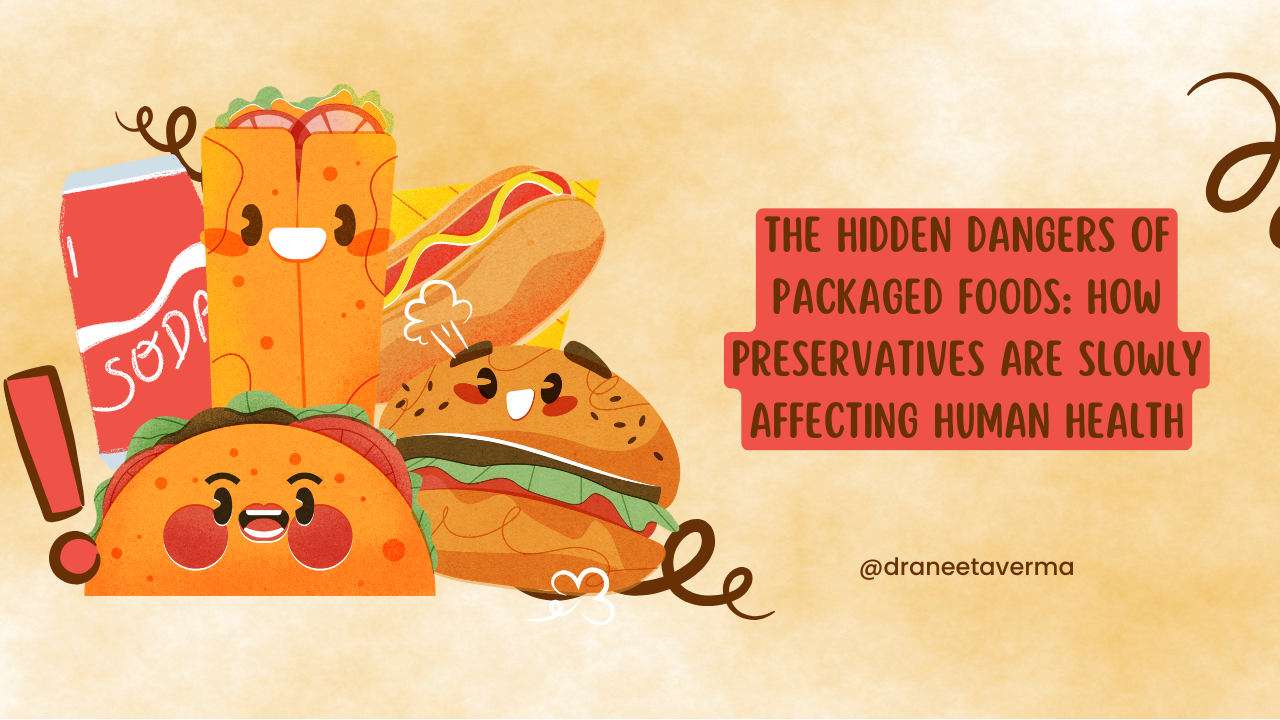
What You Must Know Before Making Processed Food a Daily Habit By Dr. Aneeta Verma Official Website Modern life has made packaged and processed foods a part of everyday living. From instant snacks and soft drinks to frozen meals, sauces, bakery products, flavored beverages, and ready-to-eat foods — preservatives are now present in almost everything we consume. These foods may look convenient, attractive, and time-saving, but many people are unaware of the long-term health risks associated with excessive consumption of processed foods and artificial preservatives. Today, rising cases of: Obesity Diabetes Fatty liver Hormonal imbalance Digestive disorders Hypertension Anxiety Chronic inflammation Lifestyle diseases are strongly linked with unhealthy dietary patterns and excessive ultra-processed food intake. The body may tolerate processed food occasionally, but regular exposure over years can silently disturb metabolism, gut health, hormones, immunity, and even mental well-being. What Are Preservatives in Packaged Foods? Preservatives are chemicals or substances added to foods to: Increase shelf life Prevent bacterial growth Maintain color and texture Improve flavor stability Reduce spoilage While some preservatives are considered safe within limits, excessive and long-term intake of highly processed foods may negatively affect health. Common Preservatives Used in Packaged Foods 1. Sodium Benzoate Commonly found in: Soft drinks Sauces Pickles Packaged juices Possible concerns associated with excessive intake: Hyperactivity in children Oxidative stress Allergic reactions 2. Monosodium Glutamate (MSG) Found in: Instant noodles Chips Processed snacks Fast foods Excessive consumption may contribute to: Headaches Water retention Increased cravings Metabolic stress in sensitive individuals 3. Nitrates & Nitrites Commonly used in: Processed meats Sausages Preserved meat products Research suggests excessive processed meat intake may increase the risk of: Gut inflammation Cardiovascular problems Certain cancers 4. Artificial Food Colors & Flavors Found in: Candies Packaged desserts Colored beverages Bakery products Some artificial additives have been linked with: Behavioral issues Allergic reactions Hyperactivity Increased inflammatory response 5. Trans Fats & Hydrogenated Oils Present in: Bakery products Fried packaged snacks Fast foods Frozen processed foods These are strongly associated with: Heart disease Obesity High cholesterol Chronic inflammation What Research Says About Ultra-Processed Foods According to multiple global nutrition and public health studies, diets high in ultra-processed foods are associated with increased risks of: Obesity Type 2 diabetes Cardiovascular disease Hypertension Depression Metabolic syndrome Research published in journals such as: The BMJ The Lancet World Health Organization (WHO) has highlighted growing concerns regarding excessive consumption of ultra-processed foods and lifestyle disorders. Some studies suggest that in urban populations, ultra-processed foods may contribute to more than 50% of daily calorie intake in certain groups. Disorders Linked With Excessive Processed Food Consumption 1. Obesity & Weight Gain Processed foods are often: High in sugar High in unhealthy fats Low in fiber Highly addictive This combination increases overeating and metabolic imbalance. 2. Diabetes & Insulin Resistance Frequent intake of refined carbohydrates and sugary processed foods may disturb blood sugar regulation over time. 3. Digestive Disorders Highly processed foods may negatively affect: Gut microbiome Digestion Nutrient absorption Common complaints include: Acidity Bloating Constipation Gut inflammation 4. Hormonal Imbalance Poor nutrition and chemical additives may influence: Metabolism Stress hormones Weight regulation Reproductive health 5. Heart Disease & Hypertension High sodium, unhealthy fats, and processed ingredients increase cardiovascular stress. 6. Mental Health & Behavioral Effects Emerging research also suggests connections between ultra-processed food intake and: Anxiety Mood disorders Brain fog Fatigue Poor concentration The gut and brain are deeply connected through the gut-brain axis. Why Processed Foods Become Addictive Many packaged foods are scientifically designed to stimulate: Cravings Dopamine release Overeating behavior The combination of: Sugar Salt Artificial flavors Unhealthy fats creates repeated craving cycles that make healthy eating more difficult over time. The Psychosomatic Perspective Food does not affect only physical health. Poor nutrition also influences: Mood Energy Stress tolerance Sleep quality Emotional stability When the body receives highly processed, inflammatory foods continuously, the nervous system and metabolism may become more stressed and dysregulated. This is why holistic wellness focuses strongly on nutritional quality. How to Reduce the Harm of Packaged Foods Simple Preventive Steps ✔ Read ingredient labels carefully ✔ Reduce ultra-processed foods gradually ✔ Prefer fresh home-cooked meals ✔ Increase fruits and vegetables ✔ Choose minimally processed snacks ✔ Avoid excessive sugary beverages ✔ Improve hydration ✔ Maintain balanced nutrition ✔ Focus on long-term eating habits Prevention Is Easier Than Treating Lifestyle Disorders Many modern disorders develop slowly through daily habits. The body often tolerates unhealthy foods for years before symptoms appear. But long-term nutritional imbalance silently affects: Hormones Gut health Metabolism Immunity Brain function Emotional health This is why preventive nutrition and wellness awareness are becoming more important than ever. Final Thoughts Packaged foods may offer convenience, but health always responds to what we repeatedly consume. The goal is not fear — it is awareness. Occasional processed foods may not harm most people, but making ultra-processed foods a daily lifestyle can gradually increase the risk of multiple chronic disorders. Real wellness begins with conscious daily choices. Because every meal is either supporting health — or silently stressing the body. For personalized holistic wellness guidance, preventive health consultation, nutrition education, and lifestyle wellness support, visit: www.draneetaverma.com Dr. Aneeta Verma Holistic Wellness Expert | Psychosomatic Wellness Consultant | Preventive Healthcare Educator | Corporate Wellness Strategist


