

+918048051883

Currently it only shows your basic business info. Start adding relevant business details such as description, images and products or services to gain your customers attention by using Boost 360 android app / iOS App / web portal.

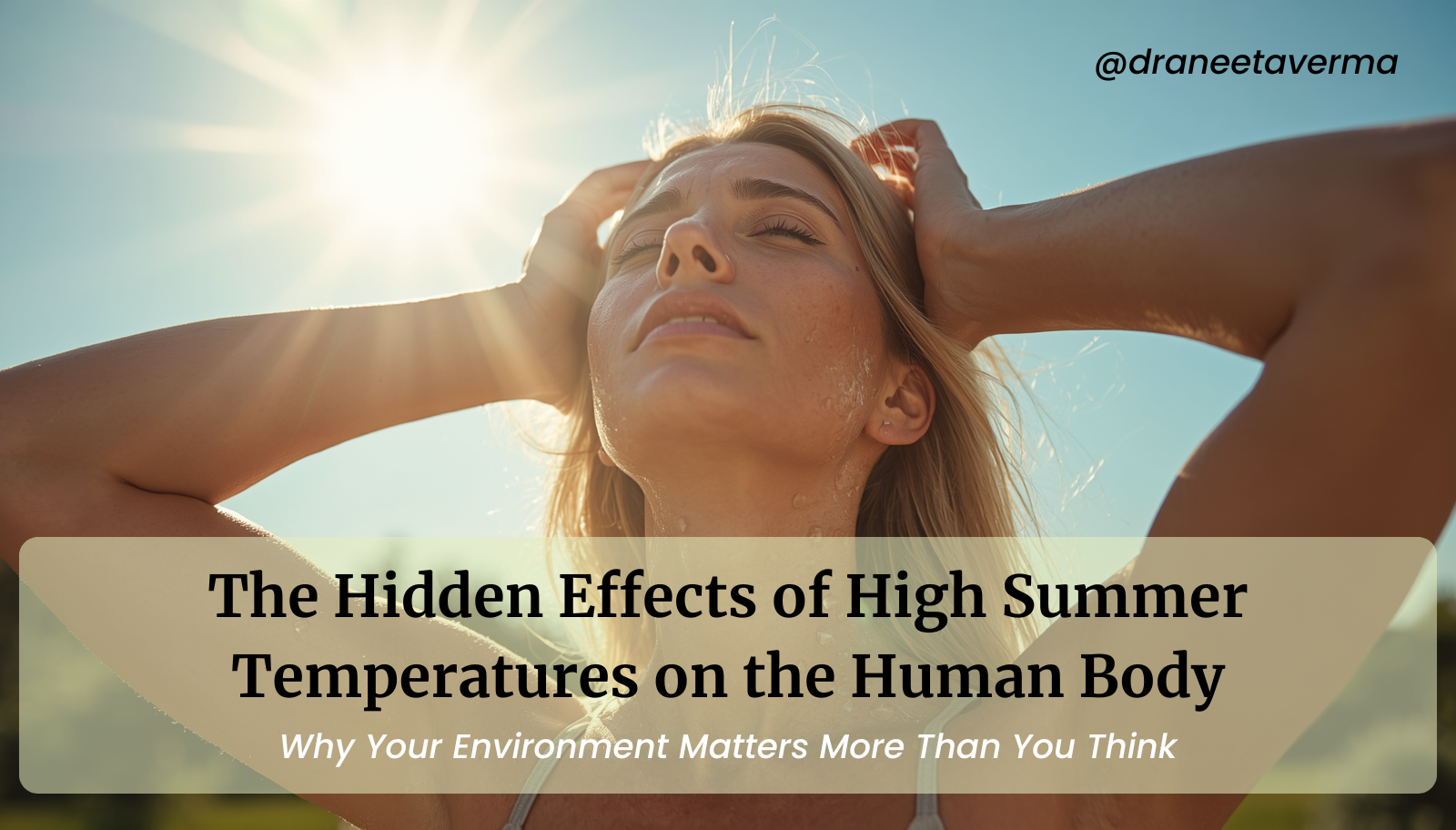
Why Your Environment Matters More Than You Think Most people think summer only causes sweating and discomfort. But scientifically, high temperatures affect almost every system in the human body — including the brain, heart, hormones, digestion, sleep, immunity, and emotional health. As global temperatures continue to rise, heat-related health problems are becoming more common than ever. Fatigue, headaches, poor sleep, anxiety, dehydration, skin issues, inflammation, and low productivity are no longer just “summer problems” — they are signs that the body is struggling to adapt to an unhealthy environment. The truth is simple: Human health is deeply influenced by the environment we live in. The temperature around us directly affects how our body functions internally Why High Temperature Affects the Human Body The human body is designed to function best within a stable internal temperature range. Normally, the body maintains a temperature close to: 37 Celcius When external temperatures become too high, the body works continuously to cool itself through: * Sweating * Increased heart rate * Expansion of blood vessels * Fluid and electrolyte loss This constant cooling effort creates physical stress on the body.If heat exposure becomes excessive or prolonged, it may disturb: * Hydration balance * Brain performance * Hormonal stability * Digestion * Nervous system regulation * Sleep quality * Emotional balance 1. High Temperature Causes Dehydration One of the earliest effects of summer heat is dehydration.When the body loses excess water through sweat: * Blood volume decreases * Electrolyte levels become imbalanced * Oxygen delivery reduces * Energy levels fall Common Symptoms of Heat Dehydration * Headache * Dizziness * Brain fog * Dry skin * Muscle cramps * Fatigue * Constipation Many people remain mildly dehydrated throughout summer without realizing it. 2. Heat Increases Stress on the Brain & Nervous System The brain is highly sensitive to temperature changes. Extreme heat may lead to: * Irritability * Mental fatigue * Anxiety * Difficulty concentrating * Mood swings * Poor emotional regulation Research shows that high temperatures can reduce cognitive performance and increase stress hormones. This is why people often feel emotionally exhausted and mentally drained during peak summer months. 3. Summer Heat Weakens Digestion During hot weather, the body diverts energy toward cooling itself instead of digestion.This can cause: * Acidity * Bloating * Loss of appetite * Indigestion * Loose motions * Heaviness after meals Heavy, oily, and spicy foods become more difficult to digest in high temperatures. 4. High Temperature Disturbs Sleep & Recovery Poor sleep is one of the most overlooked effects of summer heat. When the body cannot cool down properly at night: * Deep sleep reduces * Recovery becomes weaker * Cortisol increases * Mood stability decreases This may result in: * Low energy * Emotional irritability * Poor focus * Reduced immunity Sleep is the body’s natural repair system — and excessive heat interferes with it. 5. Heat Creates Inflammation Inside the Body Continuous heat exposure may increase inflammatory stress. This can worsen: * Joint pain * Migraine * Skin disorders * Fatigue * Autoimmune symptoms * Psychosomatic conditions People with chronic stress often become even more sensitive to heat because the nervous system is already overactivated. 6. The Heart Works Harder in Hot Weather To cool the body, blood vessels expand and the heart pumps faster.This creates extra strain on: * Elderly individuals * People with hypertension * Cardiac patients * Individuals with obesity Warning Signs of Heat Exhaustion * Rapid heartbeat * Severe weakness * Excess sweating * Nausea * Confusion * Dizziness Ignoring these symptoms may lead to heat stroke, which is a medical emergency. What Is the Best Environment for Human Health? The human body performs best in an environment that supports natural regulation and recovery.The Ideal Human Environment Includes: 1. Moderate Temperature Extremely hot or cold environments increase stress on the body. A balanced environment helps: * Better sleep * Stable energy * Improved digestion * Mental clarity * Hormonal balance 2. Fresh Air & Ventilation Poor air circulation increases fatigue and reduces oxygen quality. Good ventilation supports: * Brain function * Respiratory health * Better sleep * Emotional calmness 3. Natural Light Exposure Healthy sunlight exposure supports: * Vitamin D production * Circadian rhythm balance * Mood regulation However, excessive direct heat exposure should be avoided during peak afternoon hours. 4. Greenery & Natural Surroundings Nature has a calming effect on the nervous system.Research shows green environments may help reduce: * Stress hormones * Anxiety * Mental fatigue Natural surroundings support psychosomatic wellness by calming both body and mind. 5. Reduced Noise & Overstimulation The nervous system needs recovery from constant stimulation. An ideal environment supports: * Emotional regulation * Better concentration * Improved sleep * Lower stress levels How to Protect Your Body During Extreme Summer Heat Simple Summer Wellness Tips ✔ Drink water regularly throughout the day ✔ Maintain electrolyte balance ✔ Avoid peak afternoon heat exposure ✔ Eat light and hydrating foods ✔ Improve indoor ventilation ✔ Sleep in a cool environment ✔ Wear breathable cotton clothes ✔ Reduce excessive physical exertion ✔ Spend time in natural environments ✔ Support nervous system recovery The Psychosomatic Perspective The environment around us directly shapes our physical and mental health.High temperature is not only a physical stressor — it also affects: * Mood * Emotional balance * Nervous system function * Stress tolerance * Behavioral patterns This is why modern wellness should focus not only on medicine, but also on creating healthier living environments. Because healing is not only about treating symptoms. It is also about designing conditions where the human body can function naturally. The effects of high summer temperatures are deeper than most people realize. Heat influences hydration, inflammation, digestion, sleep, brain function, heart health, and emotional wellness. The solution is not simply “escaping the heat.” The solution is creating an environment that supports human biology. When we understand how the environment shapes health, we move closer to true preventive wellness. For more insights on psychosomatic wellness, preventive health, and holistic healing strategies, visit: www.draneetaverma.com


